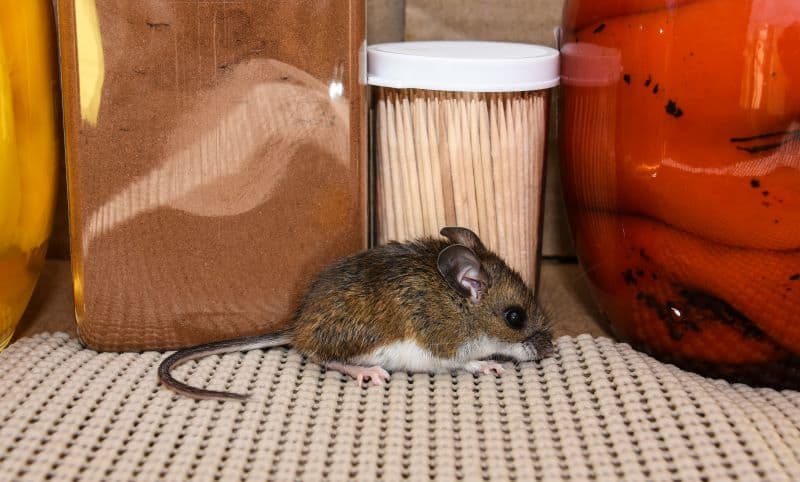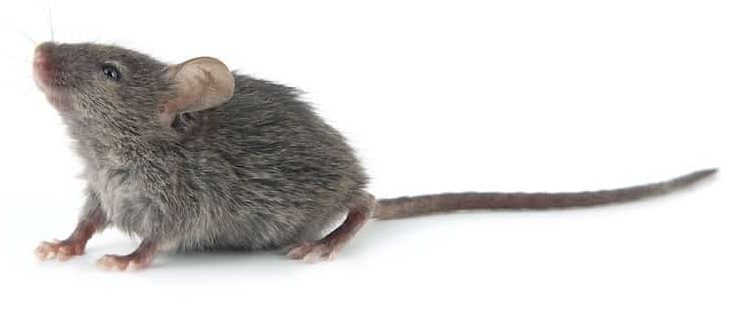
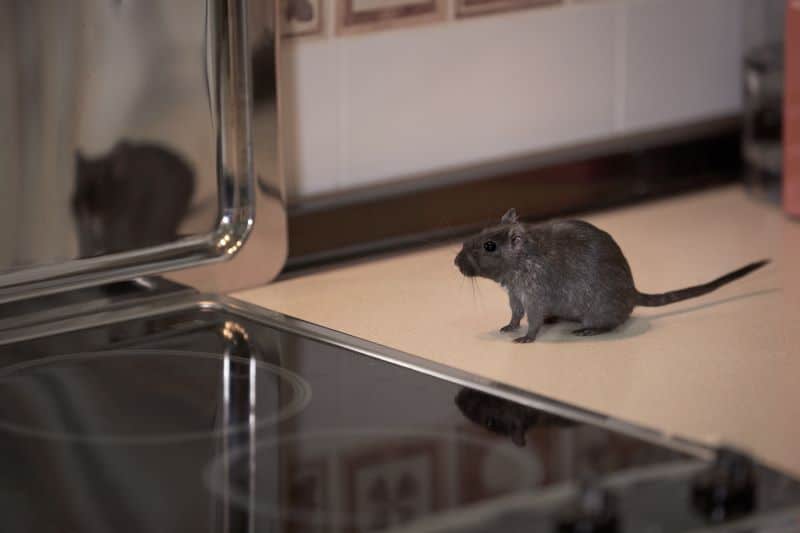
How to Identify Your Rodent Problem
You’ve heard a suspicious scratching noise or found a strange dropping. Before you can address the issue, you need to know what you’re dealing with. While the core of our approach to mouse control and rat control is similar—continuous maintenance—there are key differences in behavior and what they leave behind.
Rats: The Long-Distance Traveler
Rats are generally larger and will travel farther for resources:
- Droppings: Norway rat droppings are pill-like and about the size of a black bean. Roof rat droppings are similar in size but have pinched ends to conserve moisture.
- Travel Range: They can travel more than 50 feet to food sources.
- Entry Points: Rats need a slightly larger opening than mice, although a rat can often enlarge a mouse’s entry point.
- Common Species: Norway rats are generally more prevalent in residential settings. Roof rats, which prefer to be up high and are skilled climbers, are more common in certain geographical areas like Lake Oswego or parts of Vancouver near the Columbia River.
Mice: The Local Grazer
Mice stay closer to home and have much smaller indicators:
- Droppings: Mouse droppings are about half the size of a grain of rice.
- Travel Range: With their poor eyesight, mice may live their entire life within 10 to 20 feet of where they found food and shelter. This means if you see activity, the nest is very close by.
- Entry Points: They share similar entry points to rats, but can squeeze through smaller spaces.
Debunking Deterrent Myths
I can tell you that those commercial products like ultrasonic noise products advertised to scare rats do not work. Rodents are highly adaptive and often ignore sounds and banging. A professional, continuous monitoring program is the only way to manage these smart pests.
When to Call a Professional Mouse Exterminator or Rat Exterminator
Don’t wait for a full-blown infestation. You should call a professional pest control service as soon as an issue is suspected. This includes seeing droppings, a physical rodent, smelling something unusual, or hearing noises in the walls.
If you try DIY trapping first, you run the risk of the rodents developing “trap shyness”. This approach was successful in one instance, but it was much more tedious and expensive for the customer and required a second trapping process.
Online or Call 360-859-9090