
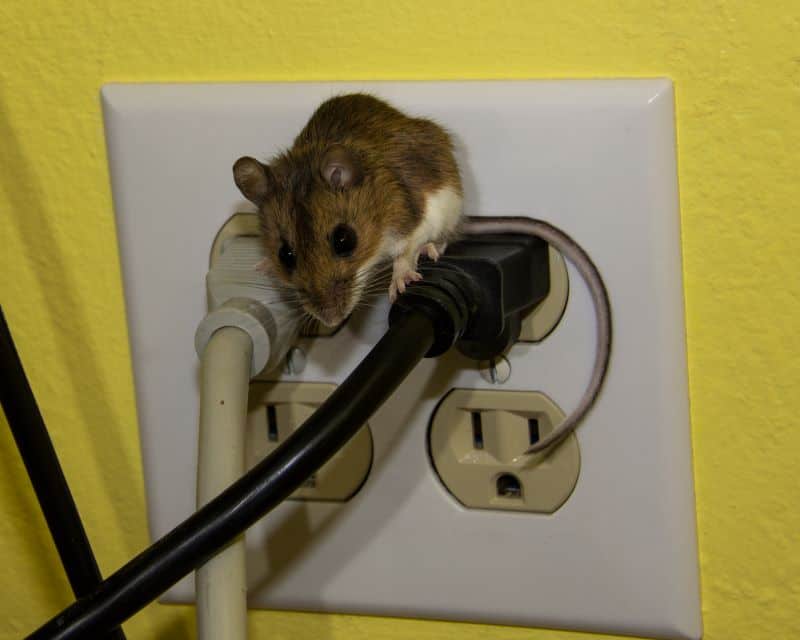
As the General Manager of Aspen Pest, I always tell homeowners the same thing: don’t wait for a full-blown infestation. The best time to call a professional is as soon as you suspect a problem. But how do you know if you actually have rodents? Here are the telltale signs I’ve seen over years of treating homes in the Portland and Vancouver area.
1. Droppings
Droppings are usually the first and most obvious sign that you have a rodent problem. But not all droppings are created equal—and knowing what you’re looking at can help us respond faster.
What do Mouse Droppings Look Like?
- Mouse droppings are tiny, about half the size of a grain of rice. If you’re finding these, the nest is very close by. Mice have poor eyesight and typically live their entire life within 10 to 20 feet of where they found food and shelter.
- Norway rat droppings are pill-like and about the size of a black bean. Norway rats are the most common species in residential settings around here.
- Roof rat droppings are similar in size to Norway rat droppings but have pinched ends. Roof rats prefer to be up high—they’re skilled climbers and are more common in certain areas like Lake Oswego or parts of Vancouver near the Columbia River.
Check behind appliances like the stove and dishwasher, under sinks, in pantries, and near the crawl space entrance. These are the areas where droppings tend to accumulate first.
2. Sounds
If you’re hearing scratching, scurrying, or gnawing sounds—especially at night—that’s a strong indicator of rodent activity. Pay attention to where the sounds are coming from:
Sounds of Rats in Walls
- Sounds in the walls or ceiling often point to rats, which can travel more than 50 feet from their entry point to a food source. The noise you hear might be far from where they’re actually getting in.
- Sounds near ground level or in a specific room may indicate mice, since they stay much closer to their nest—typically within 10 to 20 feet.
Don’t dismiss these noises as “just the house settling.” If you hear something consistently, especially after dark, it’s worth investigating.
3. Unusual Smells
A musty, ammonia-like odor can indicate a rodent presence, particularly in enclosed spaces like crawl spaces, attics, or behind walls. This smell comes from rodent urine and is often strongest near nesting areas.
If you notice a particularly foul or decaying smell, it could mean a rodent has died inside a wall or crawl space. Rats are actually cannibalistic—a dead rat won’t deter others. In fact, it will attract them.
4. Physical Sighting
Seeing a live mouse or rat, even briefly, is an obvious sign—but it’s also a sign the problem may be more advanced than you think. Rodents are nocturnal and cautious. If you’re seeing them during the day, the population may be large enough that they’re being pushed out of hiding.
5. Gnaw Marks and Damage
Look for chew marks on food packaging, wiring, wood, or insulation. Rats can enlarge a mouse’s entry point to fit through, and both species will gnaw through a surprising range of materials to access food and shelter.
6. Entry Points
Inspect the exterior of your home for gaps and holes, especially:
- Around crawl space vents
- Where utility lines enter the house
- Along the foundation
- Under doors or garage seals
Mice can squeeze through remarkably small spaces, and rats will enlarge any opening they find.
What to Do If You Notice These Signs
If you spot any of these indicators, call a professional immediately. I can’t stress this enough. When homeowners attempt DIY trapping first, it often leads to trap shyness—the rodents learn to avoid the traps, making the problem harder and more expensive to resolve.
The most efficient path is to call us right away so we can assess the situation, set up proper bait stations and traps, seal entry points, and get you on a quarterly maintenance program to keep the problem from coming back.
Contact Aspen Pest today if you’ve noticed any of these signs in your home. The sooner we start, the faster we can get your rodent situation under control.